How to Get Through The Hardest Part of Change
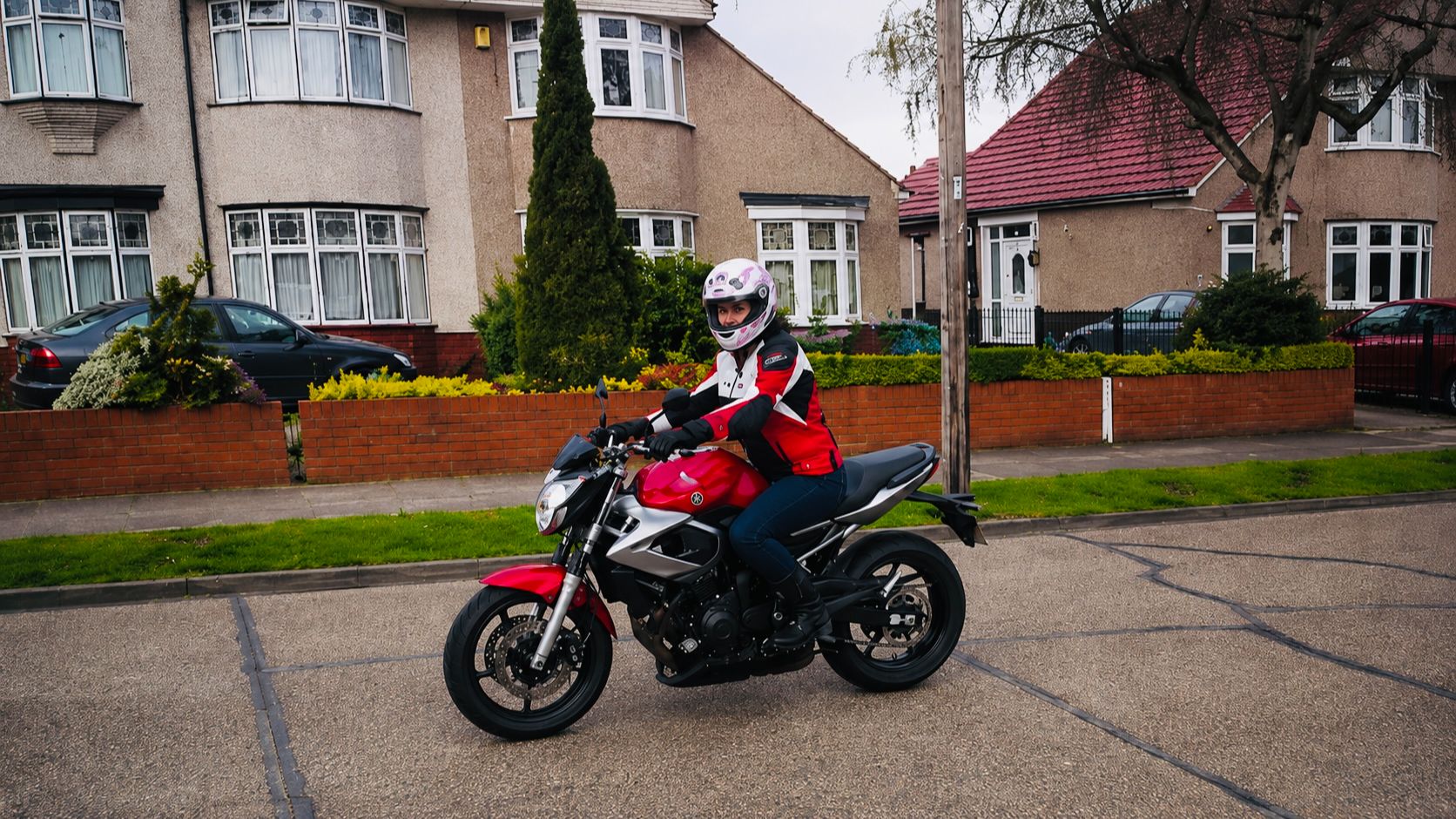
In my twenties, I decided I wanted to learn to ride a motorbike.
It didn't go well.
On the day of my test, it was raining. I fell off the bike just before the exam and promptly decided that perhaps motorcycling wasn't for me after all. I went home, licked my wounds, and put the dream in a box.
Fifteen years passed.
Then life presented me with another opportunity.
This time I had a boyfriend who rode a motorbike, which certainly added fuel to the fire. I signed up for lessons and convinced myself that this was going to be the year.
The problem was that reality looked very different from the fantasy.
The lessons were expensive, it was January, the weather was ice cold and the bikes were h.e.a.v.y.
And whilst nobody likes to admit it, learning to manoeuvre a large motorbike can be physically demanding, particularly when you're a relatively small woman trying to control a machine that seems determined to remind you of the laws of gravity.
But even so, week after week I turned...
Menopause, Dopamine, and the “New ADHD” Feeling: What’s Really Going On?

Recently, on a trip to Milan, I let myself “go there”… like really “go there.”
The gelato, the pasta, the shopping.
I see myself as an N of 1 experiment and before the trip, I’d been fairly restrained as I was in “body engineering” mode, so I made an intentional decision to get swept up in it all. Just for the sheer pleasure of playing with life (and also exploring my emerging — stronger — Italian identity).
By the third day of this cultural experiment, my digestive tract felt like burning embers and my brain kept grabbing at the thought of “what’s next” like a Duracell bunny.
It was the morning of our departure as I sat waiting for my husband to finish his text, belly and suitcase bloated, when a curiosity popped into my head.
I asked myself the question…
“Now that I’m no longer driven by my reproductive hormones (oestrogen, progesterone and testosterone), am I now driven by my brain hormones (dopamine, serotonin etc.) instead?”
A very clunky question I know, but nevertheless, ...
How to Stop Playing Games in Conversations: Understanding the Drama Triangle and Healthy Communication

We’ve all had those moments where we leave a conversation thinking, “What just happened there?”
Maybe someone’s tone felt sharp, maybe you over explained yourself, or maybe the whole thing ended in awkward silence.
Lately, I’ve been noticing how easy it is to slip into unconscious communication patterns, especially when we’re tired, triggered, or carrying unresolved emotional stories from our past. As relational beings, our nervous systems are always talking to each other, even when our words sound fine on the surface.
That’s why I wanted to share this piece, partly to help you, but also to help me integrate what I’ve recently learnt through Transactional Analysis. Because when we understand the Drama Triangle, that invisible emotional geometry playing out in our relationships, we start to see our conversations, and ourselves, in a whole new light.
Why ‘Strong Minded’ People Often Thrive with Hypnotherapy
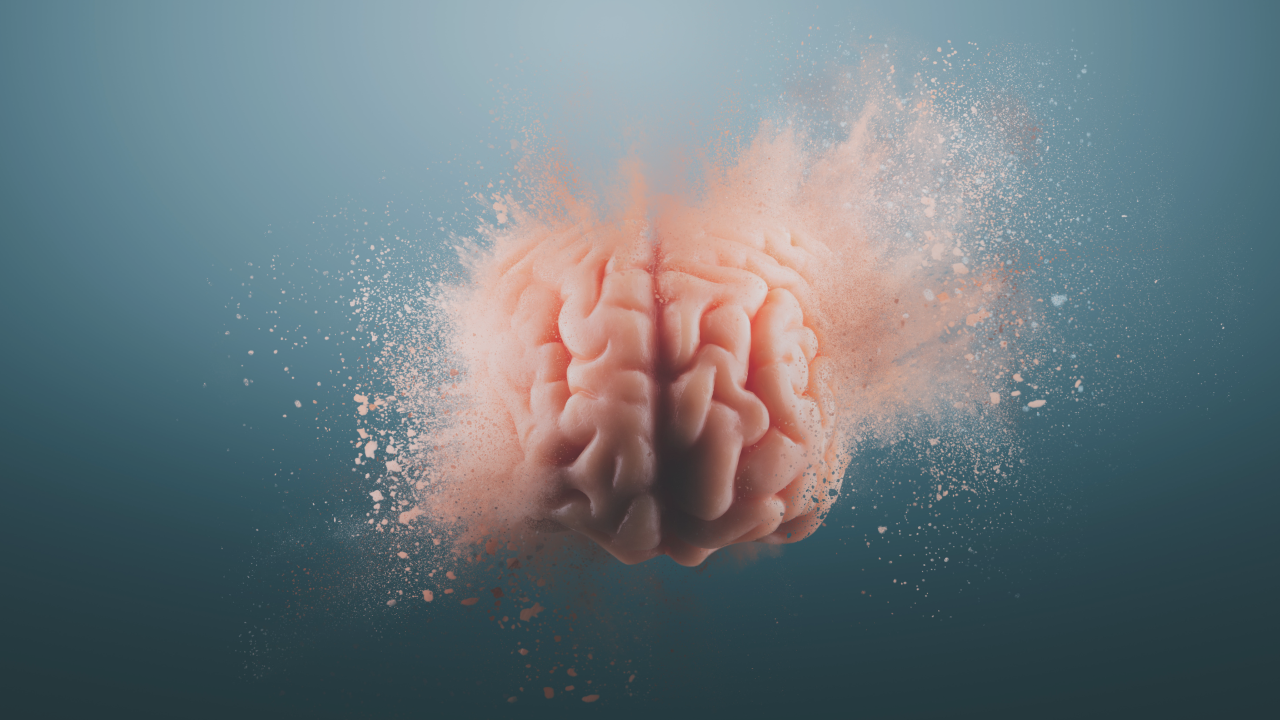
The Paradox of the ‘Strong-Minded’ Personality
When people first contact me for hypnotherapy in Brighton (or online), they often say, “I’m not sure if I can be hypnotised, I’m too strong minded.” It’s a belief that comes up again and again: the idea that hypnotherapy is about ‘losing control’ and that only people who are suggestible, passive, or ‘weak-willed’ can benefit.
But here’s the paradox, and something hypnotherapists like Adam Eason have spoken about extensively: being strong minded is NOT a barrier to hypnotherapy. In fact, it can be one of the greatest assets.
Strong minded individuals often thrive in hypnosis because of what they bring: focus, imagination, collaboration and commitment. These are exactly the qualities that make hypnotherapy so powerful.
Misunderstanding Hypnosis
We live in a culture where hypnosis has been presented through films, TV shows, or stage performances as something done to you. The hypnotist swings a pocket watch, you surrender, and your ‘str...

Free Relaxation Hypnosis
Drift into a wonderful state of relaxation fully guided by me to help your body and mind rest and restore....and breathe.
