Does Hypnotherapy Really Work? Brighton Hypnotherapist Shares the Research
Hello friend. If you're searching for Hypnotherapy Brighton or looking for a Brighton hypnotherapist, there is a good chance you are asking one important question before booking your first session:
Does hypnotherapy actually work, or is it just a stage trick?
It’s a fair question. Hypnosis has been surrounded by myths for decades. Swinging pocket watches. People clucking like chickens. Magicians in velvet jackets commanding the audience.
But clinical hypnotherapy is something very different.
Over the past 40 years, hypnosis has been studied in hospitals, psychology departments and pain clinics around the world. And the findings are increasingly clear: hypnosis can be a powerful therapeutic tool when used in the right context.
In this article, I want to walk you through what the research actually says. Not the hype. Not the marketing. But the science behind hypnotherapy.
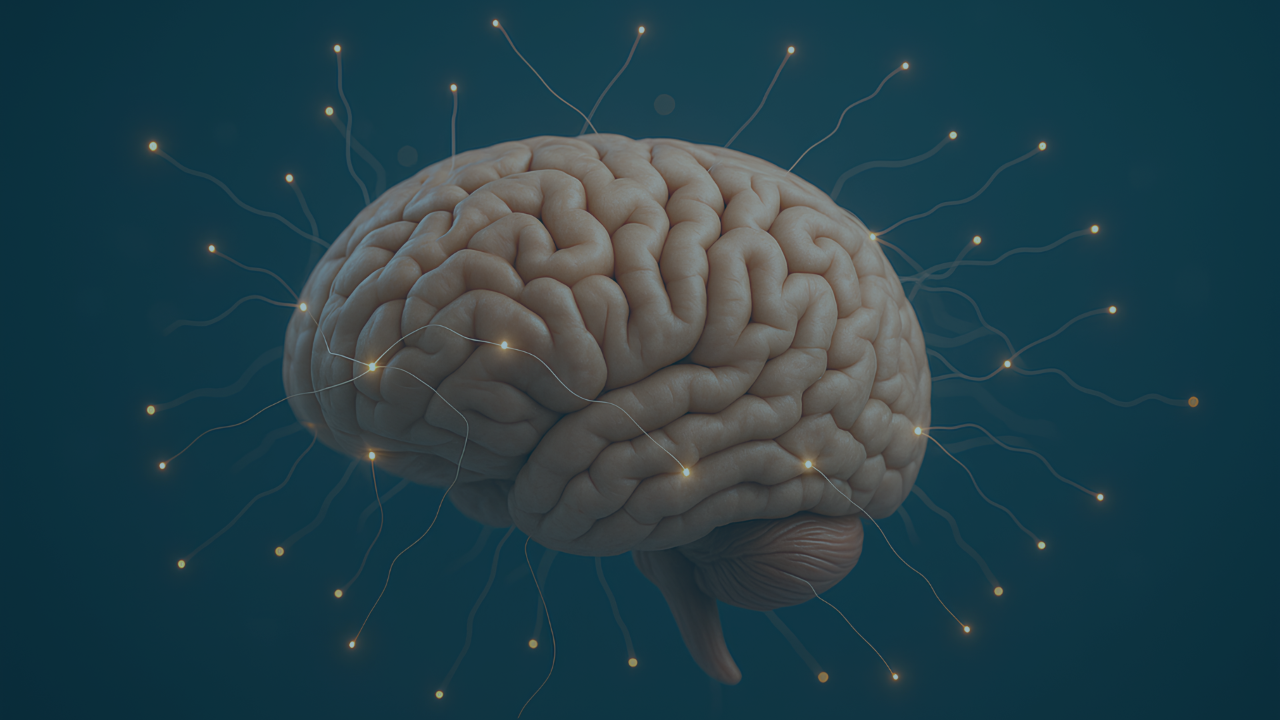
What Is Hypnotherapy Really Doing in the Brain?
Hypnosis is best understood as a state of focused attention combined with heightened suggestibility.
When someone enters hypnosis, brain imaging studies show changes in several important areas:
-
the anterior cingulate cortex (attention and emotional regulation)
-
the default mode network (self-referential thinking)
-
the salience network (how the brain prioritises information)
In simple terms, hypnosis allows the brain to temporarily reorganise its patterns of attention and meaning.
That matters because many psychological and physical conditions are maintained by patterns the brain has learned over time:
-
anxiety loops
-
chronic pain signals
-
hypervigilance
-
conditioned stress responses
-
negative identity beliefs
Hypnotherapy works by helping the brain reprocess those patterns at a deeper level than ordinary conversation alone.
This is why hypnosis is increasingly used alongside other evidence-based therapies such as CBT, trauma therapy and behavioural medicine.
The Scientific Research on Hypnotherapy
Let’s look at where the strongest scientific evidence exists.
Hypnotherapy for Irritable Bowel Syndrome (IBS)
One of the most robust areas of research for hypnosis is IBS treatment.
A landmark randomised controlled trial conducted by Whorwell, Prior and Faragher (1984) studied patients with severe IBS who had not responded to conventional medical treatment.
Participants were randomly assigned to either:
-
hypnotherapy
-
supportive psychotherapy with placebo medication
The results were striking.
Patients receiving hypnotherapy showed significant improvements in abdominal pain, bloating and bowel symptoms, far exceeding the control group.
Since then, numerous studies have replicated these findings.
A 2020 network meta-analysis published in The Lancet Gastroenterology & Hepatology found that gut-directed hypnotherapy and CBT were among the most effective psychological treatments for IBS.
This is why many gastroenterology clinics now include hypnotherapy as part of IBS treatment programmes.
Hypnotherapy for Chronic Pain
Pain is not only a physical signal. It is also a brain interpretation of that signal.
Hypnosis has been extensively researched for conditions such as:
-
fibromyalgia
-
migraine
-
arthritis
-
chronic back pain
-
post-surgical pain
A randomised controlled trial by Jensen and colleagues found that hypnosis significantly reduced chronic pain intensity, with many patients experiencing meaningful relief.
A meta-analysis examining over 600 chronic pain patients found that hypnosis produced moderate to large reductions in pain compared to control conditions.
What’s particularly interesting is that hypnosis also improved:
-
sleep
-
mood
-
overall quality of life
This suggests hypnosis works not just on the pain signal itself but also on the nervous system environment in which pain is processed.
Hypnotherapy for Anxiety
Anxiety is another area where hypnotherapy shows promising results.
Clinical studies have demonstrated that hypnosis can reduce:
-
medical procedure anxiety
-
dental anxiety
-
generalised anxiety symptoms
-
stress responses
A recent meta-analysis published in 2024 concluded that hypnosis is an effective psychological intervention for reducing anxiety and emotional distress, particularly when integrated with other therapeutic approaches.
Many people are surprised to learn that hypnosis is sometimes used in hospital settings before surgery because it can reduce anxiety and pain medication requirements.
For people struggling with anxiety patterns, hypnotherapy helps by calming the nervous system and updating the subconscious expectations that drive chronic worry.
You can read more about anxiety treatment approaches here:
https://www.sallygarozzo.com/blog/hypnotherapy-anxiety-brighton
Hypnotherapy for Insomnia and Sleep
Sleep problems often have a strong cognitive and nervous system component.
When someone struggles with insomnia, the brain frequently becomes conditioned to associate bedtime with:
-
frustration
-
hypervigilance
-
performance anxiety around sleep
Hypnosis can interrupt this pattern by helping the nervous system shift into a deeply relaxed state.
Studies of hypnotic relaxation therapy have shown improvements in:
-
sleep onset time
-
sleep quality
-
nighttime awakenings
Many clients describe hypnosis as training the brain to remember how to switch off again.
Hypnotherapy for Depression
The research on depression is still emerging but encouraging.
Several studies show that hypnosis can enhance the effectiveness of cognitive behavioural therapy by helping clients access and update deeper emotional beliefs.
For example, hypnosis may help people work with beliefs such as:
-
“I’m not good enough.”
-
“Nothing will ever change.”
-
“I always fail.”
These identity-level patterns often sit beneath depression and can be difficult to shift through logic alone.
This is why many modern therapists combine hypnosis with cognitive and behavioural approaches.
If you are interested in how hypnotherapy works in practice, you may find this article helpful:
https://www.sallygarozzo.com/blog/what-is-hypnotherapy
Why Hypnotherapy Works for Some People
Not everyone responds to hypnosis in the same way.
However, research suggests that many people experience measurable benefits when hypnosis is delivered by a trained practitioner.
The key factors that influence success include:
-
the skill of the therapist
-
the quality of the therapeutic relationship
-
the client’s openness to the process
-
the suitability of hypnosis for the specific issue
Hypnosis is not mind control.
You remain aware, present and able to respond throughout the session. The process is more like deeply focused imagination combined with therapeutic guidance.
For many clients, this creates a powerful environment for psychological change.
Hypnotherapy in Brighton
If you are considering working with a Brighton hypnotherapist, it is worth remembering that hypnotherapy is not a single technique.
Different practitioners use different approaches.
In my own work I combine hypnosis with:
-
neuroscience
-
cognitive behavioural therapy
-
nervous system regulation
-
trauma-informed psychotherapy
The goal is always the same: to help the brain update patterns that no longer serve you.
Many people seek hypnotherapy for issues such as:
-
anxiety
-
menopause symptoms
-
stress and burnout
-
emotional trauma
-
unwanted habits
You can learn more about working with me here:
https://www.sallygarozzo.com/
You may also find this article interesting if you struggle with chronic stress patterns:
https://www.sallygarozzo.com/blog/fight-or-flight-hypnotherapy-brighton
The Bottom Line: Does Hypnotherapy Really Work?
The evidence suggests that hypnotherapy can be a valuable therapeutic tool when used appropriately.
Research shows benefits for conditions including:
-
IBS
-
chronic pain
-
anxiety
-
insomnia
-
emotional distress
Hypnosis works because it allows the brain to temporarily shift its usual patterns of attention and meaning, creating space for new learning.
It isn’t magic.
But it is a powerful way of working with the mind’s deeper operating system.
And when that system begins to change, people often experience something remarkable:
their symptoms stop feeling like fixed problems and start looking more like patterns that can be updated.
References
Whorwell, P., Prior, A., & Faragher, E. (1984). Controlled trial of hypnotherapy in the treatment of severe refractory irritable bowel syndrome. The Lancet.
Lee, H. H., et al. (2014). Hypnotherapy for irritable bowel syndrome: systematic review and meta-analysis.
Black, C. J., et al. (2020). Psychological therapies for IBS: network meta-analysis. Lancet Gastroenterology & Hepatology.
Jensen, M. P., et al. (2015). Hypnosis for chronic pain management.
Rosendahl, J., et al. (2024). Meta-analysis of hypnosis for mental health conditions.

Free Relaxation Hypnosis
Drift into a wonderful state of relaxation fully guided by me to help your body and mind rest and restore....and breathe.
